

 See My Latest Article on HelloNation
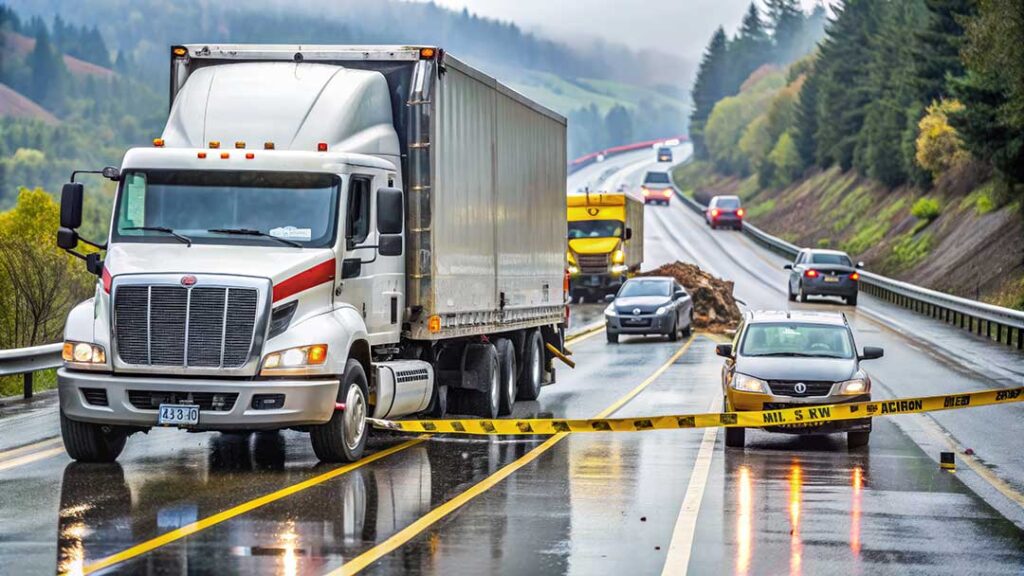
Does a Minor Car Accident Always Require Legal Help?
In many situations, local residents involved in minor car accidents might not need legal representation. If the incident resulted in minimal property damage, no one was injured, and fault is clear, dealing with the insurance process independently may be straightforward. However, there are certain circumstances where consulting with a legal professional can provide clarity or protect your interests.
What Counts as a “Minor” Car Accident?
Generally, a minor car accident is one where:
- The vehicles involved can be safely driven away from the scene.
- There are no serious or apparent injuries.
- Property damage is limited, typically to minor bumper dents, scratches, or broken lights.
In New Milford, low-speed collisions in residential neighborhoods, shopping areas, or during winter when roads are slick are common examples. Despite the minor appearance, it’s wise to monitor for delayed pain or hidden vehicle damage.
What Should You Do Right After the Accident?
Immediate actions after a minor accident can impact later decisions:
1. Check for injuries: Make sure everyone is safe. Even seemingly small impacts can cause injuries that may show up later.
2. Document the scene: Take photos of vehicle damage, license plates, intersections, and any conditions like wet roads or icy patches. This information may be critical if details are disputed later.
3. Exchange information: Share contact and insurance details with the other driver.
4. Report the accident: In New Milford, if there is any injury or notable property damage, state law requires reporting the accident to the police. Even for minor cases, a local incident report can help resolve later disputes.
Are There Times When Legal Advice Is Necessary, Even for Small Accidents?
While most minor accidents in the community are resolved through insurance without complications, there are times when legal input is helpful:
- Disputed liability: If the other driver denies responsibility, legal guidance can help clarify your position.
- Delayed injuries: Whiplash, concussions, or back pain sometimes appear hours or days after an accident. If symptoms develop later, understanding your rights becomes essential.
- Uncooperative insurance companies: If an insurance company denies a valid claim or offers a very low settlement, it may be time for outside help.
- Multiple parties involved: If several vehicles or pedestrians were part of the incident, sorting out liability may get complicated.
How Do Connecticut’s Laws Affect Minor Accident Decisions?
Connecticut operates under a “fault” insurance system, meaning the at-fault driver’s insurance typically pays for damages or injuries. Area drivers should be aware that:
- State law sets deadlines (statutes of limitations) for injury and property damage claims—usually two years for injury and three years for property damage.
- If the accident involved any injury, however minor, or significant vehicle damage, the events must be reported to law enforcement under Connecticut law.
What Are Common Misconceptions About Minor Accidents?
Some New Milford residents may assume that:
- Minor symptoms will go away with time. In reality, some injuries become more serious after the initial shock wears off.
- Small claims aren’t worth pursuing. Even minor vehicle damage may be expensive to repair, and getting fair reimbursement sometimes requires persistence.
- Insurance will take care of everything automatically. While some claims go smoothly, disputes over fault or coverage limits sometimes stall the process.
What Local Factors May Complicate a “Minor” Car Accident?
In smaller communities like New Milford, typical challenges may include:
- Seasonal weather hazards: Icy or flooded roads can create multi-car incidents that complicate responsibility.
- Limited public transportation: If your vehicle is out of commission, even minor accidents can disrupt daily life substantially.
- Local road patterns: Narrow or winding roads may create difficulties for determining fault, especially without clear traffic controls.
When Might You Handle Things Yourself?
If all of the following apply, handling the aftermath independently often makes sense:
- No one reports pain or injury after the accident.
- Both drivers clearly understand and accept fault.
- Vehicle damage is truly minor and repairable.
- Insurance companies cooperate and reimburse expenses without dispute.
Document everything, maintain open communication with your insurer, and keep a file of all paperwork just in case something changes later.
What Subtle Issues Should Local Drivers Watch Out For?
A few overlooked situations sometimes turn simple accidents into tougher challenges:
- Uninsured or underinsured drivers: If the other driver lacks proper coverage, you may need help figuring out next steps.
- Child passengers: Injuries may not be immediately obvious in young children—seeking a medical checkup is always a good idea.
- Pre-existing conditions: Even a small jolt may worsen ongoing back or neck problems, affecting medical claims and insurance discussions.